Improves Concentration & Focus – Benefits Of Early Childhood Reading

Unlock Your Child’s Focus: The Power of Early Reading
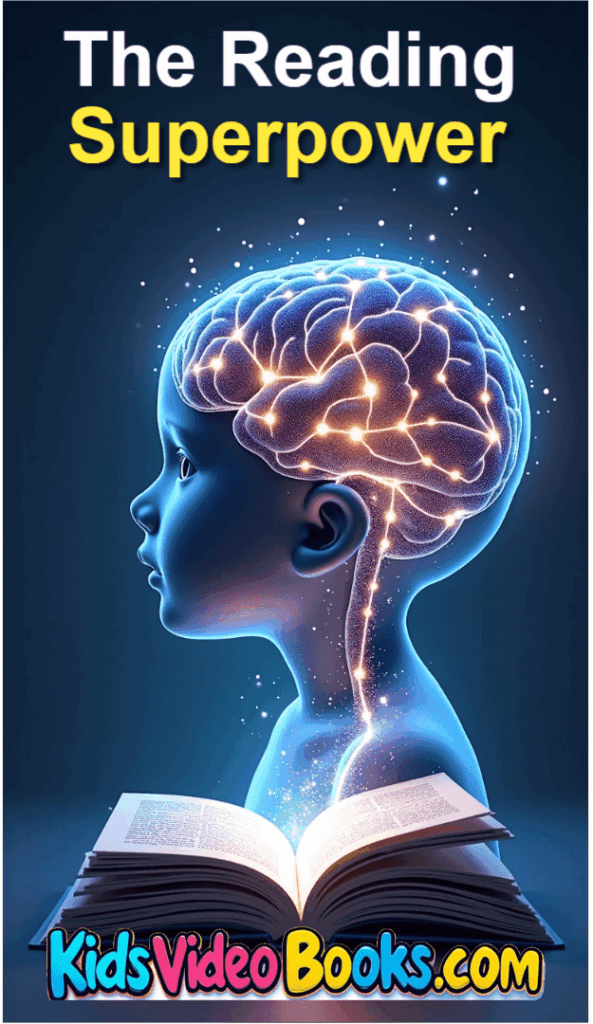
- Early reading teaches children sustained attention and active, ‘ninja-level’ listening.
- It trains their brains to decode words, visualize scenes, and process information rapidly.
- Storytime provides a structured, distraction-free environment for building focus.
- Each page read strengthens their ‘focus muscle,’ crucial for future learning.
Improves Concentration & Focus:
Teaches them to sit still, listen, and engage for sustained periods.
Superhero Hearing: How Reading Turns Kids into Listening Ninjas

Benefits of Early Childhood Reading.
* Improves Concentration & Focus: Teaches them to sit still, listen, and engage for sustained periods.
So your kid is collecting words like a dragon hoards treasure. Awesome! But here’s a secret agent-level question: How do those words get from the storybook and into the vault in the first place?
They don’t just magically appear. They have to be captured. And to capture them, your child needs to activate their most stealthy superpower: Listening. And not just the “I-hear-you-asking-me-to-pick-up-my-socks” kind of listening. We’re talking deep, focused, ninja-level attention.
Think of it like this. Everyday listening is like trying to catch butterflies in the backyard with your bare hands. It’s fun, but it’s kinda random. Storytime listening, though? That’s like being given a high-tech, net-on-a-pole and being sent into a butterfly conservatory. The environment is designed for success!
Let me tell you a story about my friend’s son, Leo. When he was three, he loved a song with the lyric “sweet dreams are made of this.” For months, he’d belt out with total confidence: “Sweet dreams are made of ZEBRA!” He wasn’t not listening. His brain was just grabbing the closest sound file it recognized.
It was hilarious, but it showed how tricky active listening can be.
Now, imagine Leo curled up with a book. The TV is off. The world gets a little quieter. His mom reads, “The gruffalo’s favorite food is scrambled snake.” His little brain has to do ninja-level work! It must:
- Hear the sounds.
- Decode them into known words (“scrambled”… “snake”…).
- Picture a snake (not a zebra!) on a plate, all scrambled up.
- Decide this is hilarious and weird.
That’s a four-step mental obstacle course! And he does it in a split second. Every page you read is a training session for this skill. The pictures provide clues, your tone of voice gives hints, and the predictable parts (“I’ll huff and I’ll puff!”) let him practice anticipatory listening—waiting for the sound he knows is coming.
This isn’t just about catching words. You’re building their focus muscle. You’re teaching them that paying attention leads to a reward: the joy of the story, the fun of the rhyme, the suspense of what happens next. In a world full of noisy, beeping, flashing distractions, this quiet skill is pure gold.
And what is the main tool their newly-trained ninja ears use to unlock a story’s deepest magic? It’s a powerful, heart-expanding force. Ready to feel the warmth? Let’s explore Benefit #4: Builds Empathy.
Archives
Categories

Leave a Reply